Join us in Oxford to think together about what it takes to bring lived experience into organisations.
Most organisations value quantities over qualities, with a rhetorical claim to being more 'evidence-based'. In institutions grounded in natural science, like the NHS, the appeal to evidence can silence the particular, the personal, and the experiential. This is why lived experience testimony and narrative can present powerful challenges to orthodox ways of managing and making policy.
But bringing lived experience into an organisational setting is beset with difficulties. It is also a political act, and is likely to be resisted. This is not only about the individual responses of the powerful, but about habituated ways of seeing and practising in organisations. Advocates of lived experience can feel co-opted: invited in and then dismissed, or made tokens of taking experience seriously. It can be very bruising.
Running a human service organisation must depend on taking experience seriously, as a necessary but insufficient condition of managing. So what are the strengths and limitations of lived experience? What possibilities are there for developing the approach as method? How might we learn from one another?
The event
This ComplexitySalon is an event for anyone interested in lived experience, particularly lived experience practitioners in the public services: a day to share experience, to network, and to locate their practice in a broader discussion of method. There will be plenty of opportunity for reflection in small and large groups. The currency of the day is conversation.
If you'd like to find out more and would like to come along but are experiencing material difficulties in doing so - please get in touch. sophie or chris@complexitysalon.com
Sunday 15 November
🍷5:30pm Inaugural evening (details to follow upon ticket confirmation)
Monday 16 November
🥐 9:00 Coffee and greetings
🎙️ 9:30 Professor Les Back in conversation with Professor Chris Mowles, joined by three respondents who are lived experience practitioners
🍰 11:00 Coffee
💭 11:30 Reflection in small groups and plenary
🍽️ 12:45 Lunch
💬 1:45 Further reflection and summing up
🫖 3:00 Tea
👥 3:30 Experiential group (voluntary)
🍸 5:00 Socialising for any who remain
🎟️ Joining the experiential group is optional; please indicate when purchasing tickets. Numbers are limited.
Get to know us
Professor Les Back is an eminent sociologist whose published work spans the sociology of race and racism, ethnicity, multiculturalism, urban culture, music, and sport. Most recently he published The Unfinished Politics of Race (Cambridge University Press, 2022) with Michael Keith, John Solomos, and Kalbir Shukra.
The commitment to listening is explored particularly clearly in his earlier book, The Art of Listening. In the book, Les challenges the assumptions that there is anything inherently superior about hearing compared to seeing or the other senses, and encourages us to think critically before accepting invitations to "trust our senses". Instead, he urges us to "re-tune our ears to society" and listen responsibly - with care, attentiveness, and a willingness to remain in doubt. Here's a podcast to explore this in more depth: https://thesociologicalreview.org/podcasts/uncommon-sense/listening-with-les-back/
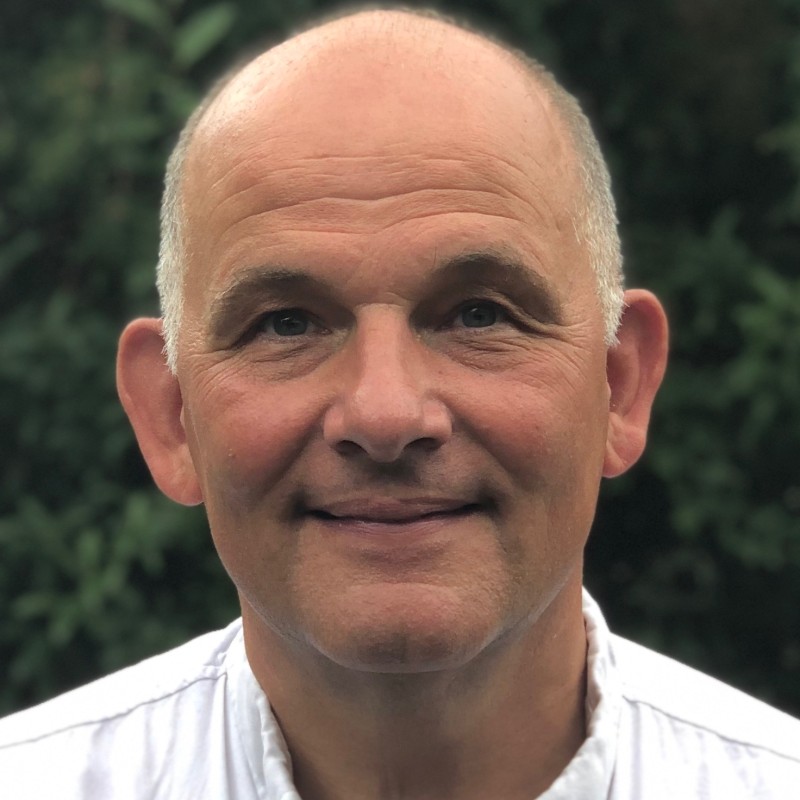
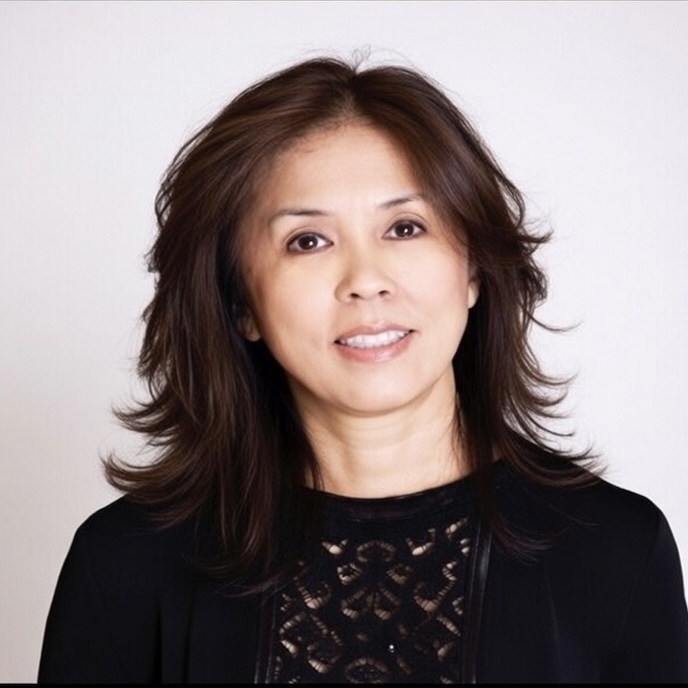
Brought to you by ComplexitySalon.com - Professor Chris Mowles & Dr Sophie Wong
Organised with the assistance of Dr Christopher Morton, Dr Nicholas Sarra and Dr Kevin Flinn
Respondents - Dr Christopher Morton, Lived Experience (LE) Director at Tees, Esk and Wear Valleys NHS Foundation Trust, a role created in 2022 and first of its kind in UK. He leads the Trust’s coproduction and LE work, including Culture of Care, the peer workforce, personalising care planning, quality priorities, advocacy and patient safety. A registered social worker specialising in mental health in the NHS, he teaches on Newcastle University’s Doctorate in Clinical Psychology and has recently completed a Doctor of Management researching the politics of LE leadership.
ComplexitySalon hosts events to provide opportunities to better understand ourselves and the dilemmas we face.